A magical literacy adventure where students compare Cinderella stories from different cultures and discover how perspective shapes storytelling around the world.
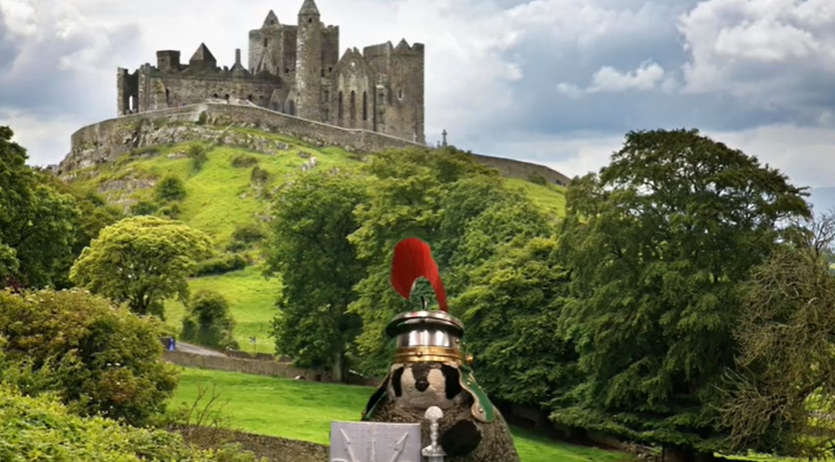
🐿️ ChipChip: “Wait. How can there be two Cinderellas?”
🦝 KoonKoon: “There are actually hundreds.”
🐿️ ChipChip: “Hundreds?!”
🦝 KoonKoon: “Different cultures tell the story in different ways.”
🐿️ ChipChip: “So you’re telling me Cinderella has a multiverse?”
🦝 KoonKoon: “Well, yeah!”
🐿️ ChipChip: “That somehow makes perfect sense.”
Teacher Quick View
Grade Level: 2nd Grade
Subject: Literacy
Time Required: 1 Class Period
Skills Developed:
- Compare and Contrast
- Reading Comprehension
- Cultural Awareness
- Critical Thinking
- Perspective Taking
- Character Analysis
- Evidence-Based Discussion
Unit Overview
Students compare and contrast two cultural Cinderella stories—The Rough-Face Girl and The Irish Cinderlad—to explore how stories can reflect the traditions, values, and perspectives of different cultures. Through discussion, read-alouds, graphic organizers, and character analysis, students learn that familiar stories can be told in many different ways while still sharing common themes.
Lesson Video
Before beginning the lesson, students watched a teacher-created movie introducing multiple Cinderella stories from around the world.
The short film begins with the classic Cinderella many students already know before introducing Becan from The Irish Cinderlad and the heroine of The Rough-Face Girl. By highlighting scenes from each story, the video encourages students to begin thinking about how culture influences storytelling before the lesson even begins.
Teacher Tip: The video is intended as a lesson hook and can be used before discussing culture and compare-and-contrast skills.
Materials Needed
- Lesson Presentation (download below)
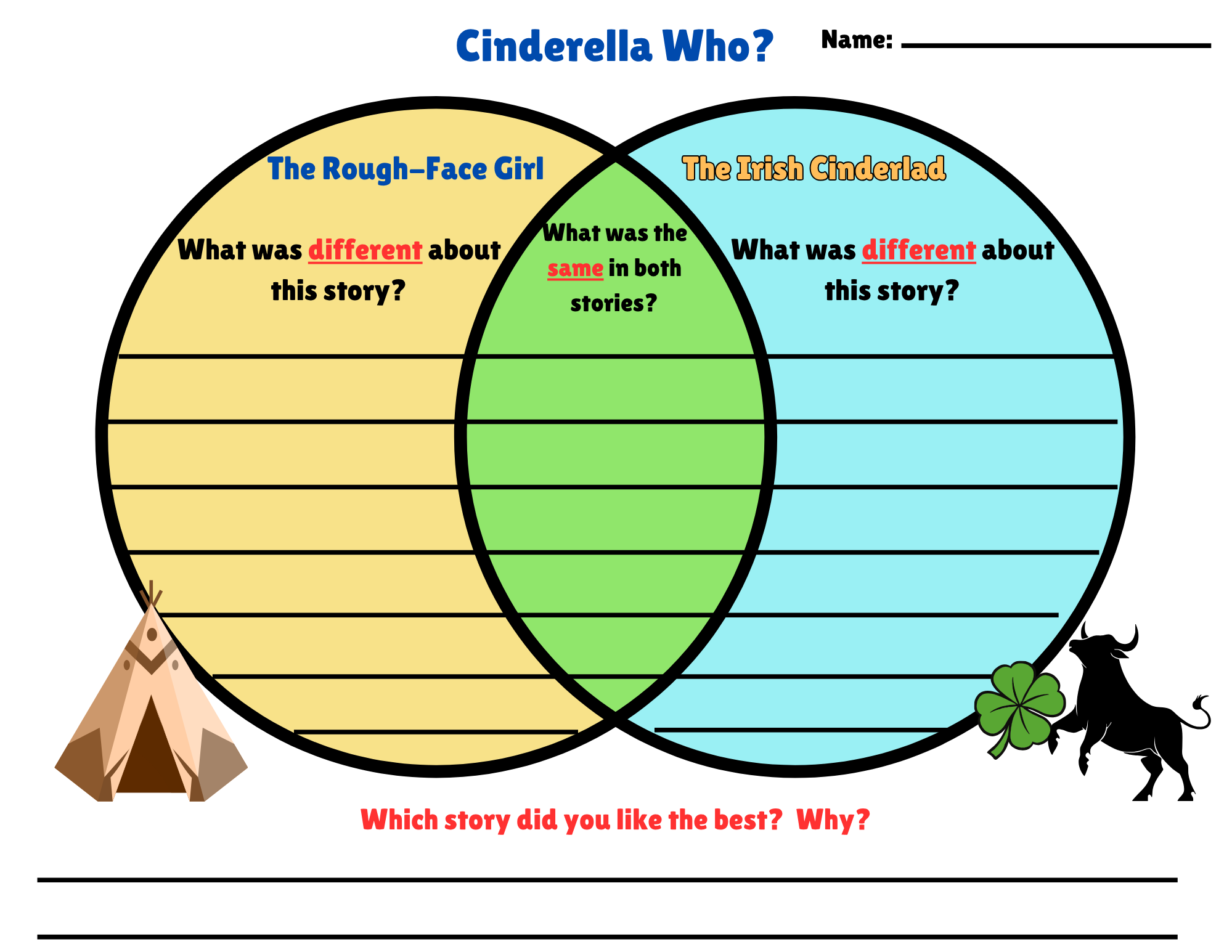
- Cinderella Who? Venn Diagram Worksheet (download below)
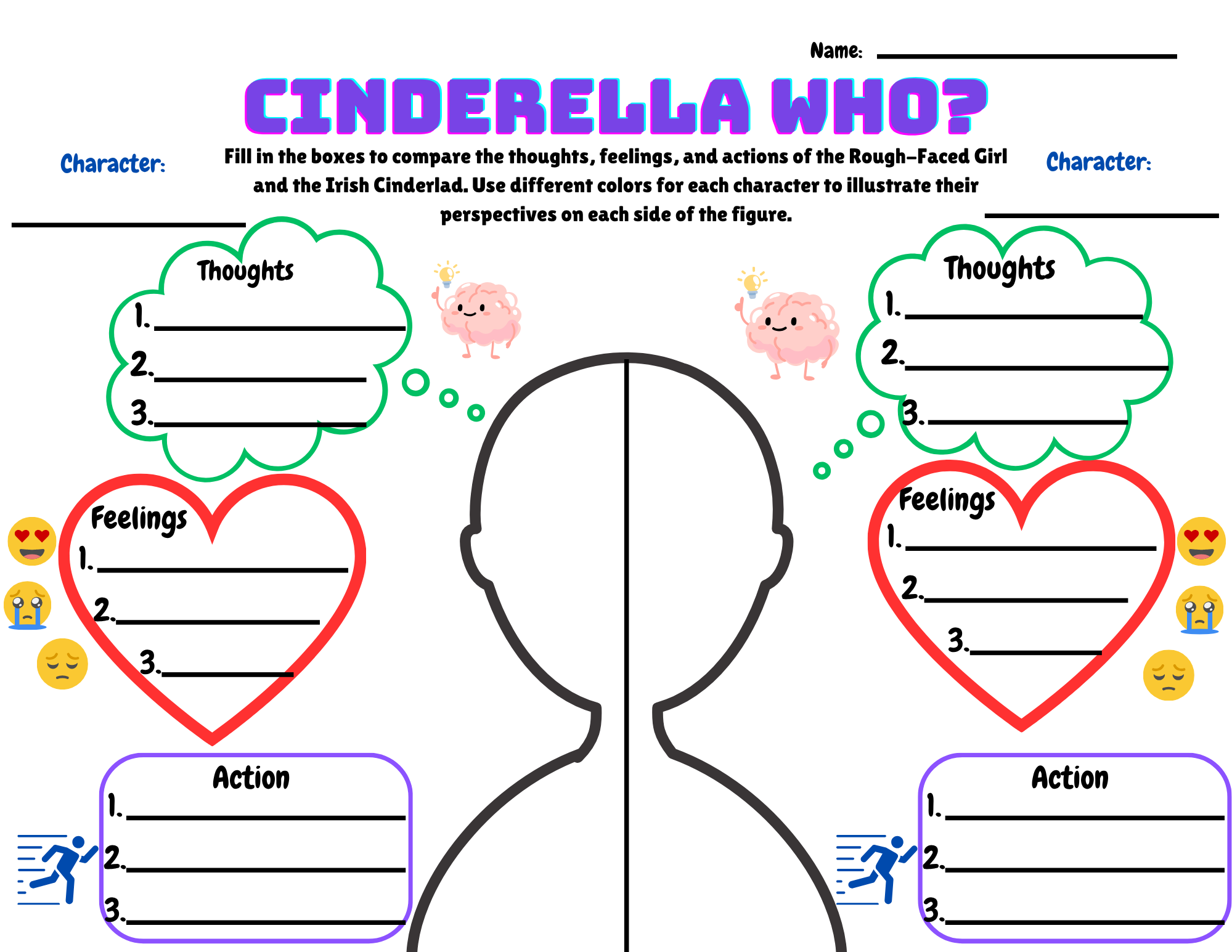
- Early Finisher Character Analysis Worksheet (download below)
- Copy of The Rough-Face Girl (or read aloud link below)
- Copy of The Irish Cinderlad (or read aloud link below)
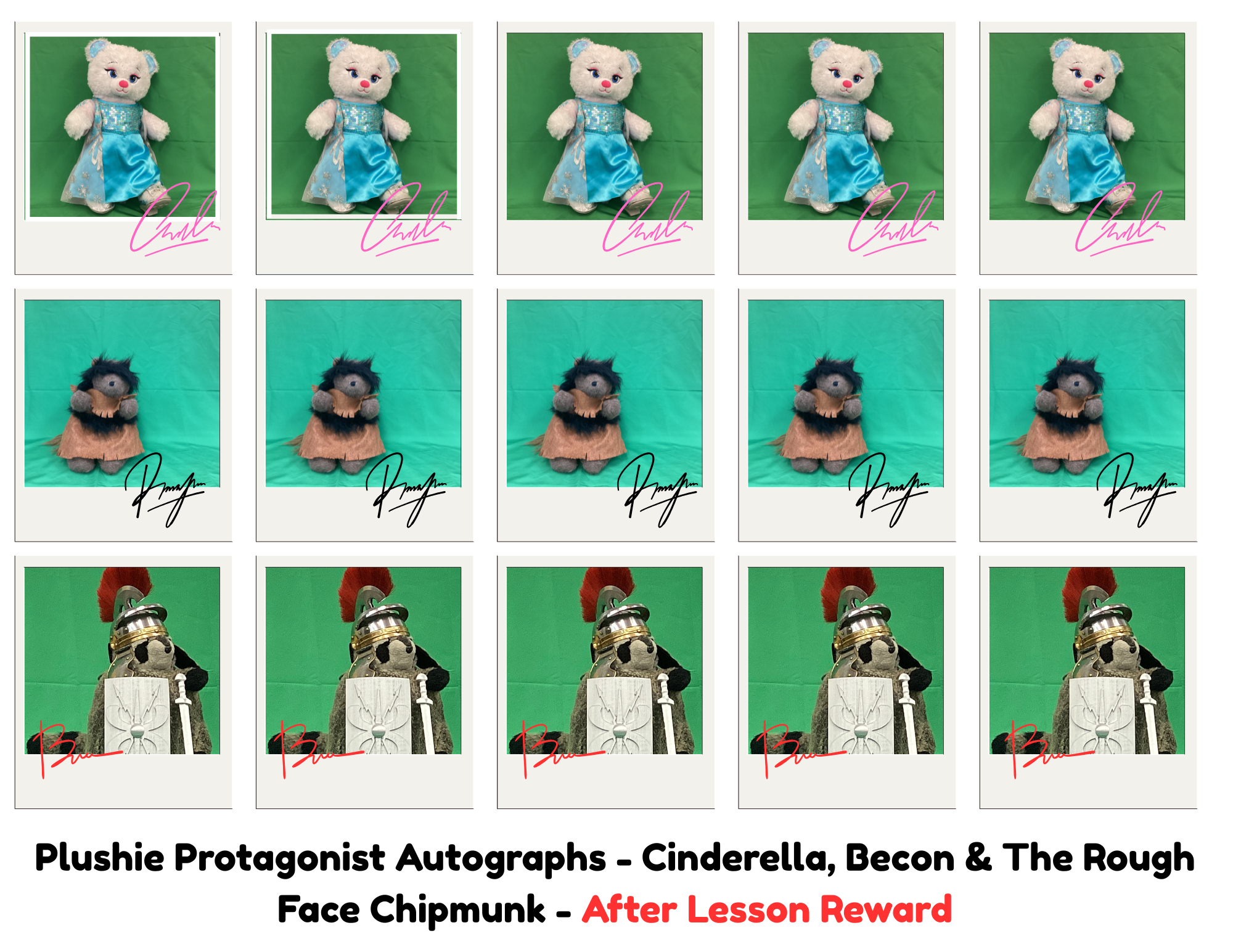
- Lesson Reward autograph cards (download below)
- Lesson introduction video (see above)
Lesson Snapshot
Lesson Hook
Students watch the teacher-created Cinderella Who? video and discuss what they already know about Cinderella stories.
Students begin to notice that stories can change depending on where and when they are told.
What Is Culture?
Students discuss culture and explore examples from their own lives, including local traditions, sports, hobbies, favorite shows, and community experiences.
The lesson introduces the idea that culture influences how people tell stories and what details become important.
Read-Aloud and Discussion
Students listen to The Rough-Face Girl and discuss how the story compares to the traditional Cinderella story they already know.
Students identify important story elements, character traits, and cultural details.
Compare and Contrast
Students compare The Rough-Face Girl and The Irish Cinderlad using a class discussion and Venn diagram. They identify similarities and differences in characters, settings, events, and story outcomes.
Independent Practice
Students complete their own Cinderella Who? Venn Diagram, recording similarities and differences between the two stories and reflecting on which version they preferred.
Extension Activity
Students complete a character analysis comparing the thoughts, feelings, and actions of the Rough-Face Girl and the Irish Cinderlad. This activity encourages deeper discussion about perspective and character development.
Teaching With Plushies
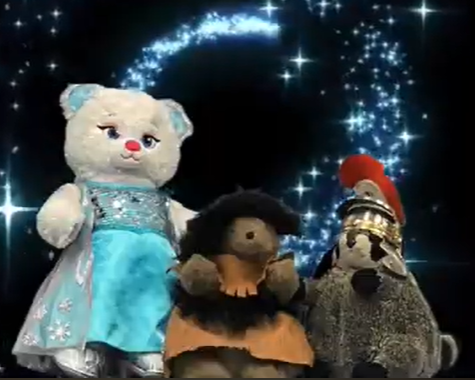
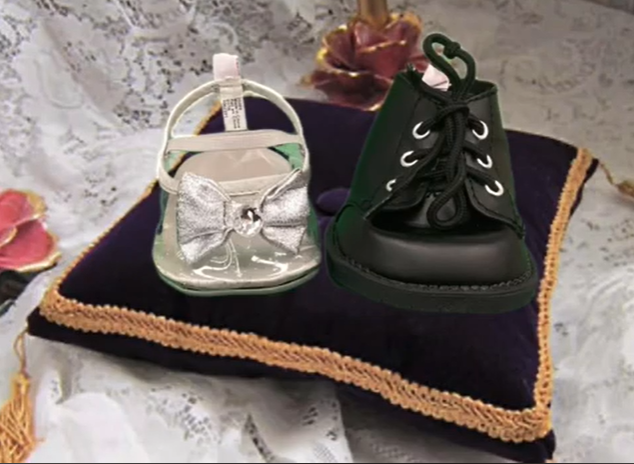
To make the stories more memorable, I created plushie versions of the main characters and incorporated them throughout the lesson.
At the end of the lesson, students could visit the teacher’s table to receive a miniature “autographed photo” from their favorite Cinderella character. What started as a simple reward quickly became one of the students’ favorite parts of the lesson.
Downloads
Skills Developed
- Compare and Contrast
- Reading Comprehension
- Character Analysis
- Perspective Taking
- Cultural Awareness
- Critical Thinking
- Discussion Skills
- Evidence-Based Reasoning
Why This Lesson Works
Many students are familiar with Cinderella, making it an ideal entry point for exploring culture and perspective.
Rather than simply teaching students facts about different cultures, this lesson allows them to discover cultural differences through storytelling. As students compare The Rough-Face Girl and The Irish Cinderlad, they learn that stories can evolve across places and traditions while still sharing common themes.
The familiar structure of the Cinderella story provides a comfortable foundation for deeper thinking, helping students develop compare-and-contrast skills while building appreciation for different perspectives and cultures.
Final Reflection
One of my favorite aspects of this lesson is how naturally it develops critical thinking.
Students often begin believing there is one “correct” version of Cinderella. By the end of the lesson, they discover that stories can be told differently while still sharing important ideas and themes.
This realization opens the door to meaningful discussions about perspective, culture, and how people’s experiences shape the stories they tell.
More importantly, students learn that understanding different cultures does not begin with memorizing facts, but with listening, asking questions, and considering viewpoints that may be different from their own.
And if we’re lucky, they leave the lesson wondering what other familiar stories might have versions they’ve never heard before.

