A hands-on civics adventure where students discover the purpose of the Constitution by creating, debating, and signing their own Classroom Constitution.
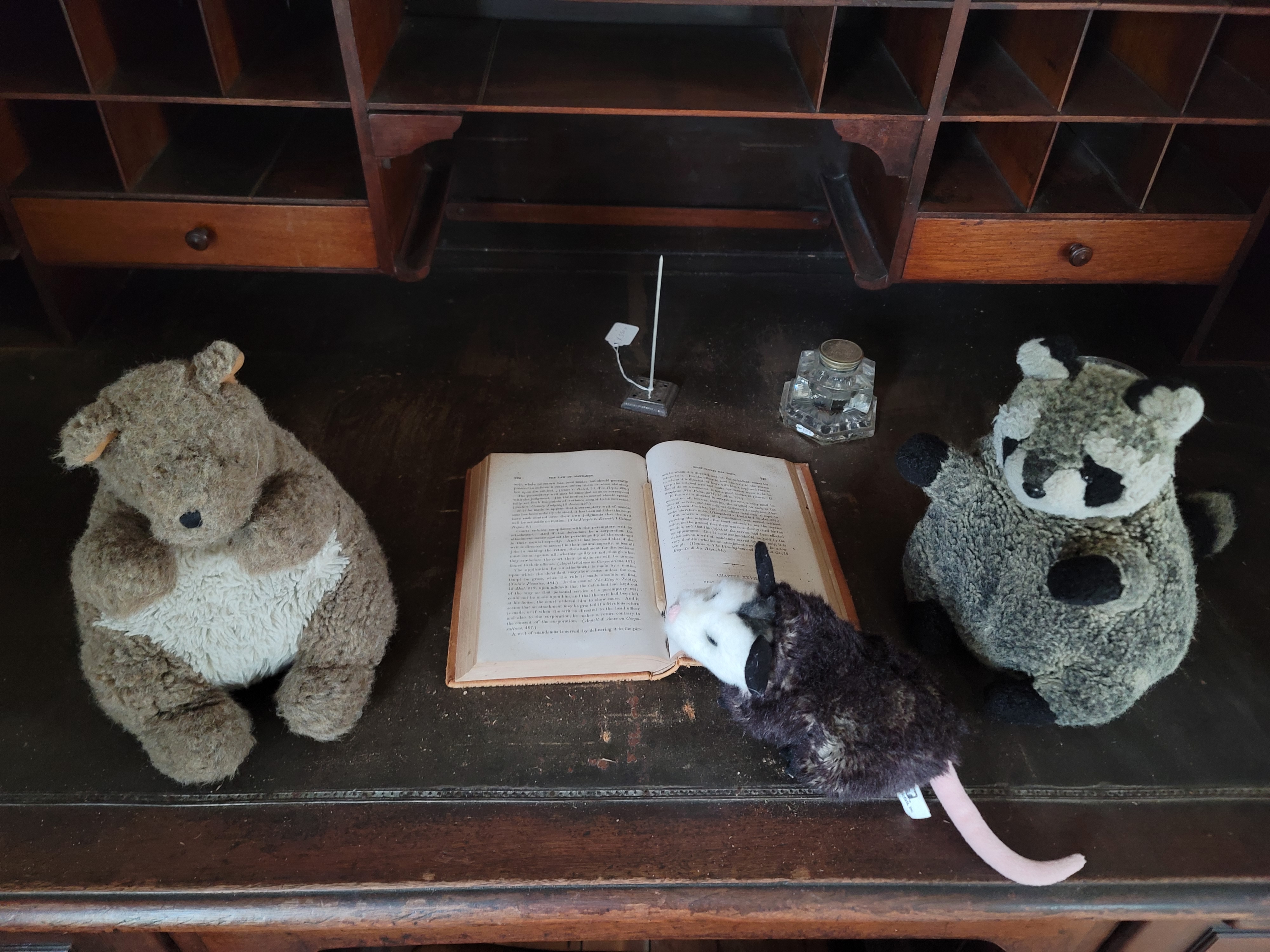
🦝 KoonKoon: “Wait… we’re making our own Constitution?”
🐿️ ChipChip: “Of course.”
🦝 KoonKoon: “Then I propose unlimited snack breaks.”
🐿️ ChipChip: “That’s not how democracy works.”
🦝 KoonKoon: “Then democracy may need a few amendments.”
Teacher Quick View
Grade Level: 2nd Grade
Subject: Social Studies
Time Required: 1–2 Class Periods
Skills Developed:
- Civic Responsibility
- Voting & Decision-Making
- Collaboration
- Persuasive Communication
- Community Building
- Historical Connections
Unit Overview
Students explore the purpose of the U.S. Constitution by examining why rules exist and how communities create agreements that help everyone succeed. Through discussion, brainstorming, voting, and collaboration, students develop their own Classroom Constitution and experience a simplified version of the democratic process.
By connecting the Constitution to their daily lives, students discover that rules are not simply restrictions, but agreements that help communities remain fair, safe, and successful.
Materials Needed
- Lesson presentation (Download below)
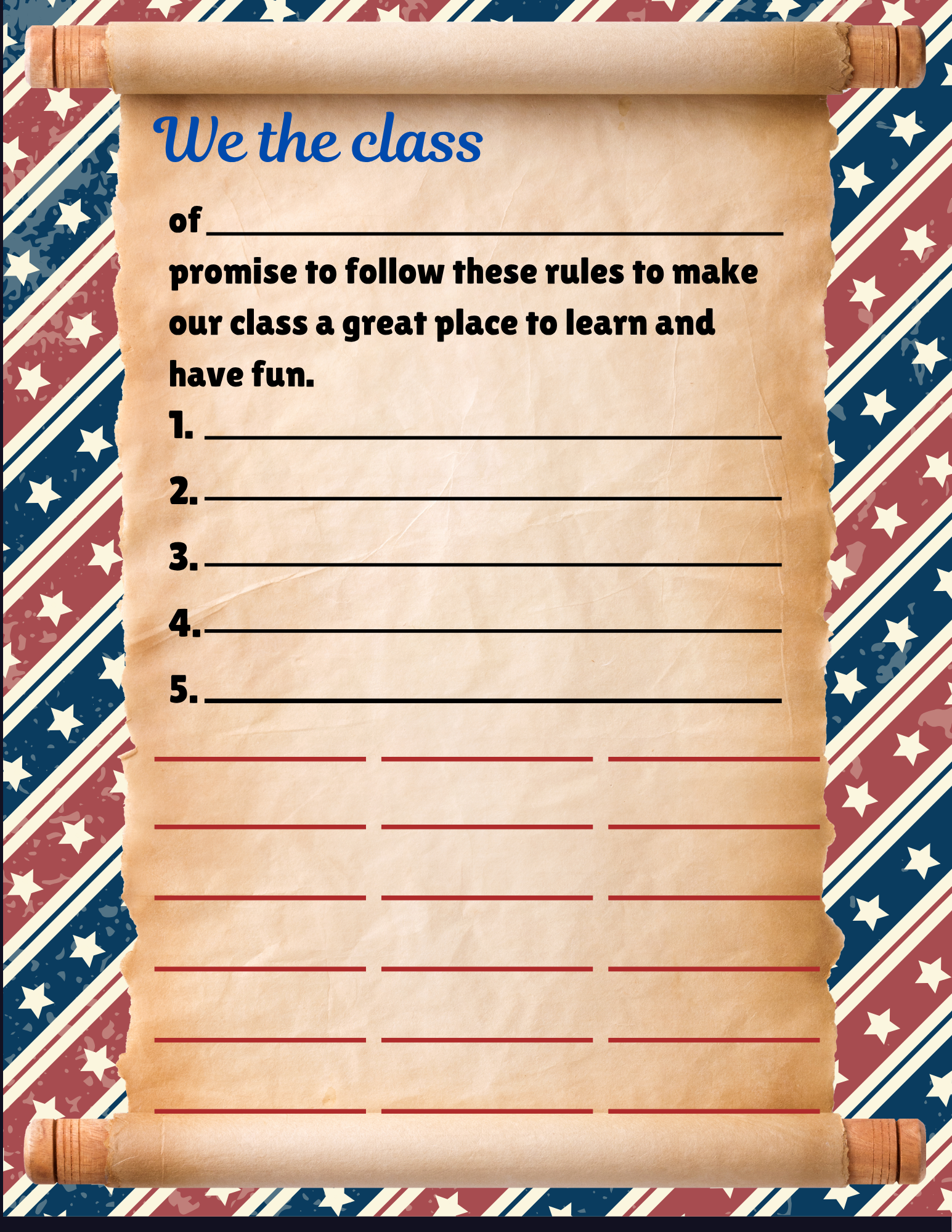
- Classroom Constitution template (Download below)
- Constitutional Convention worksheet (Download below)
- Chart paper or whiteboard
- Fountain pens (optional)
- Quill and ink display (optional)
Lesson Snapshot
Introduction
Students discuss rules at home and school before exploring the purpose of the U.S. Constitution and why communities need shared expectations.
Constitutional Convention
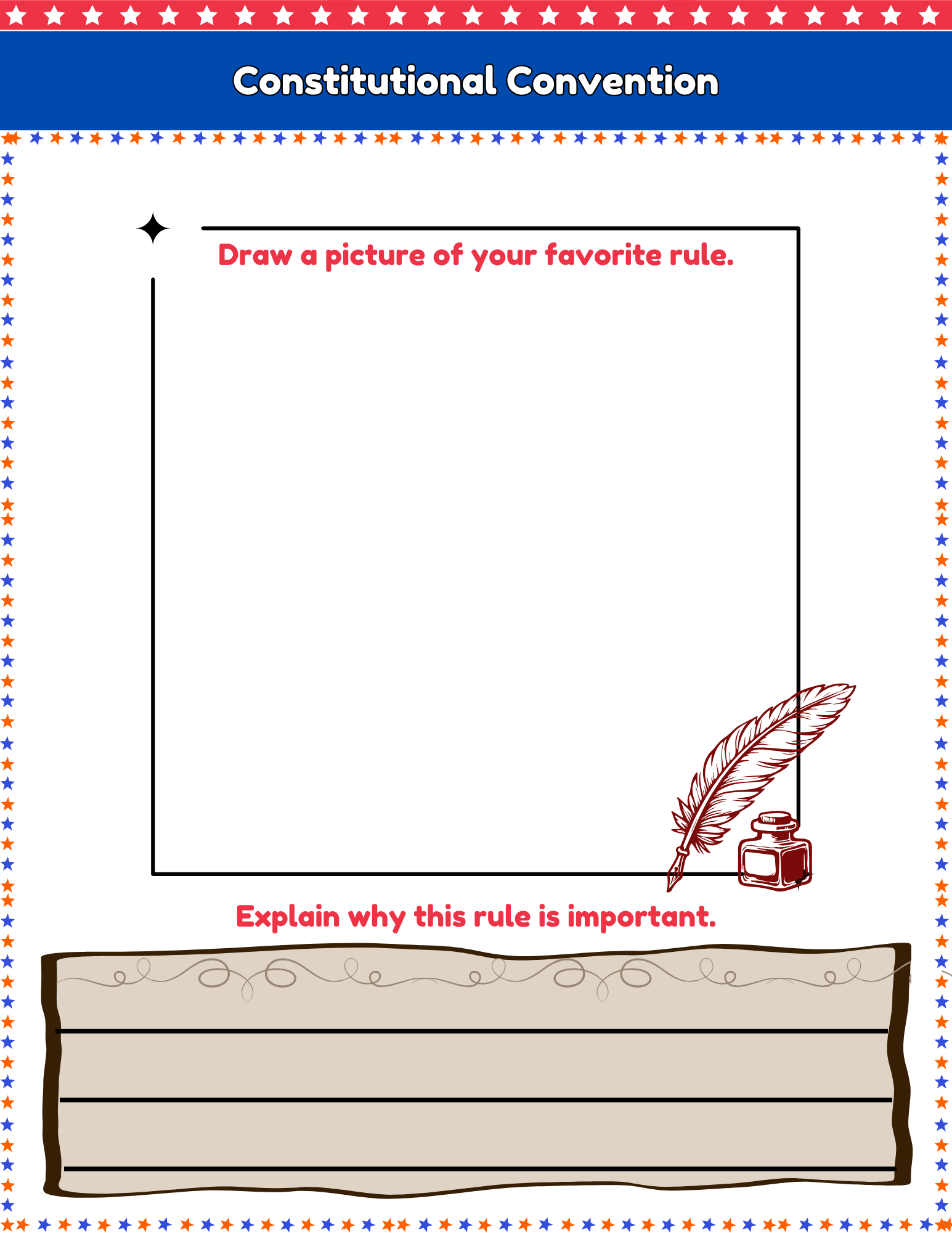
Students brainstorm important classroom rules, discuss their ideas with peers, and explain why those rules matter. They complete a Constitutional Convention worksheet and prepare proposals for the class.
Voting & Debate
Students share their ideas and participate in a classroom vote to determine which rules should become part of the official Classroom Constitution.
Signing Ceremony
Students sign the completed Constitution and officially agree to uphold the rules they helped create.
Historical Connection
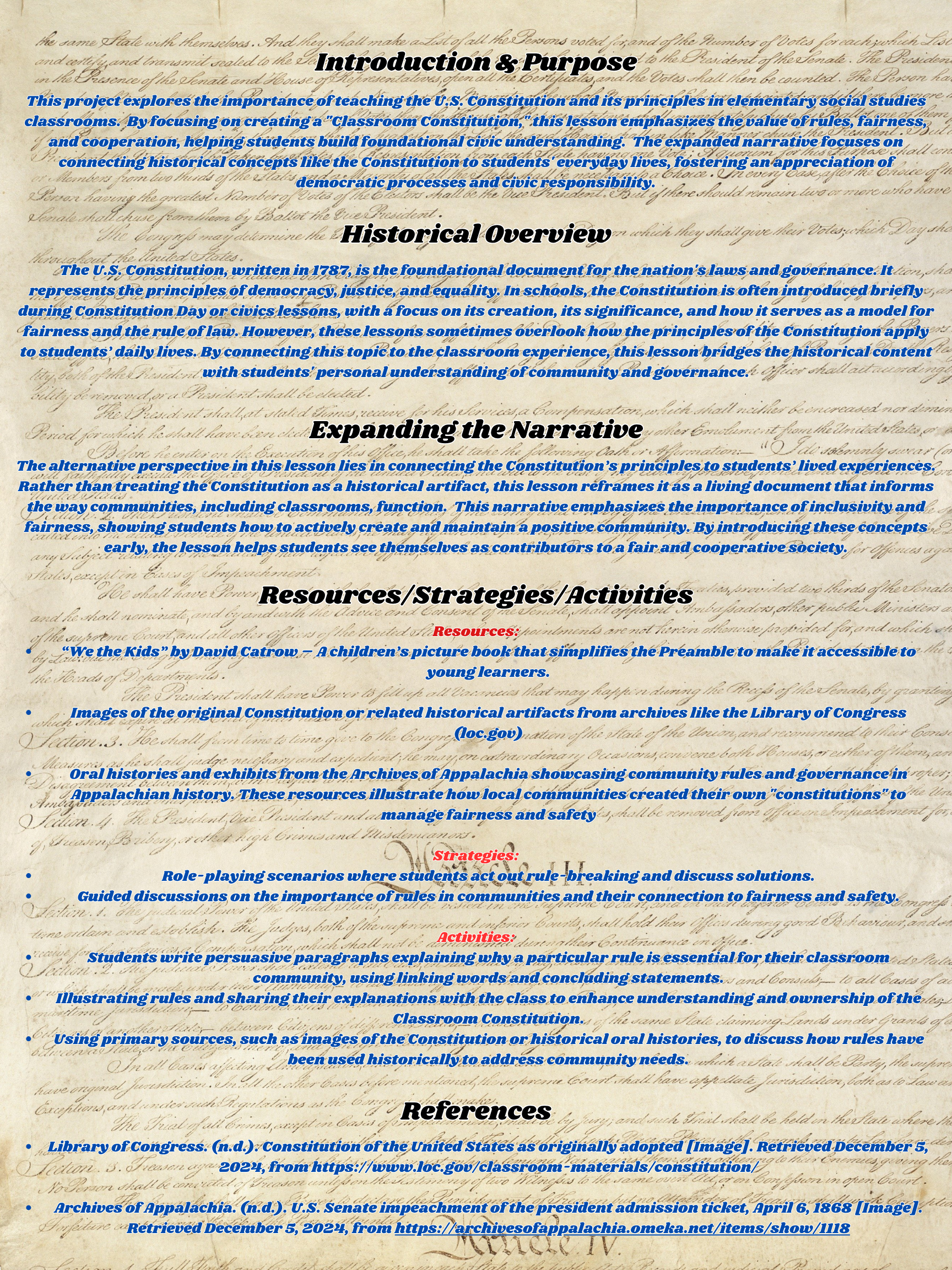
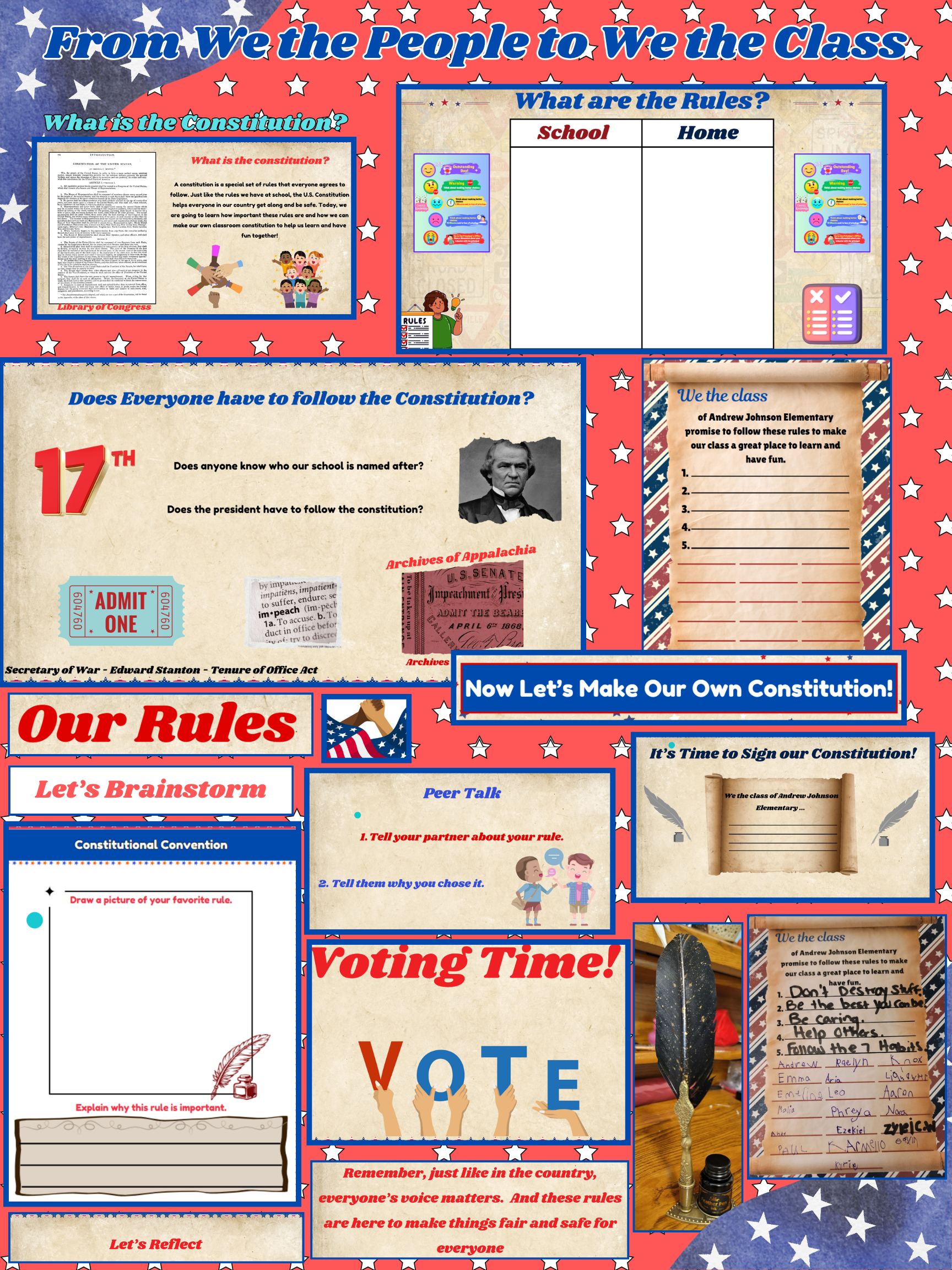
This lesson was developed as part of a Library of Congress and Archives of Appalachia research project. Students explored historical documents, discussed how communities have created rules throughout history, and connected those ideas to the rules that help their own classroom function successfully.
A printable research poster is included for teachers who would like to extend the lesson and incorporate primary source analysis.
Signature Classroom Moment
One of the most memorable parts of this lesson was transforming the Constitution signing into a special event.
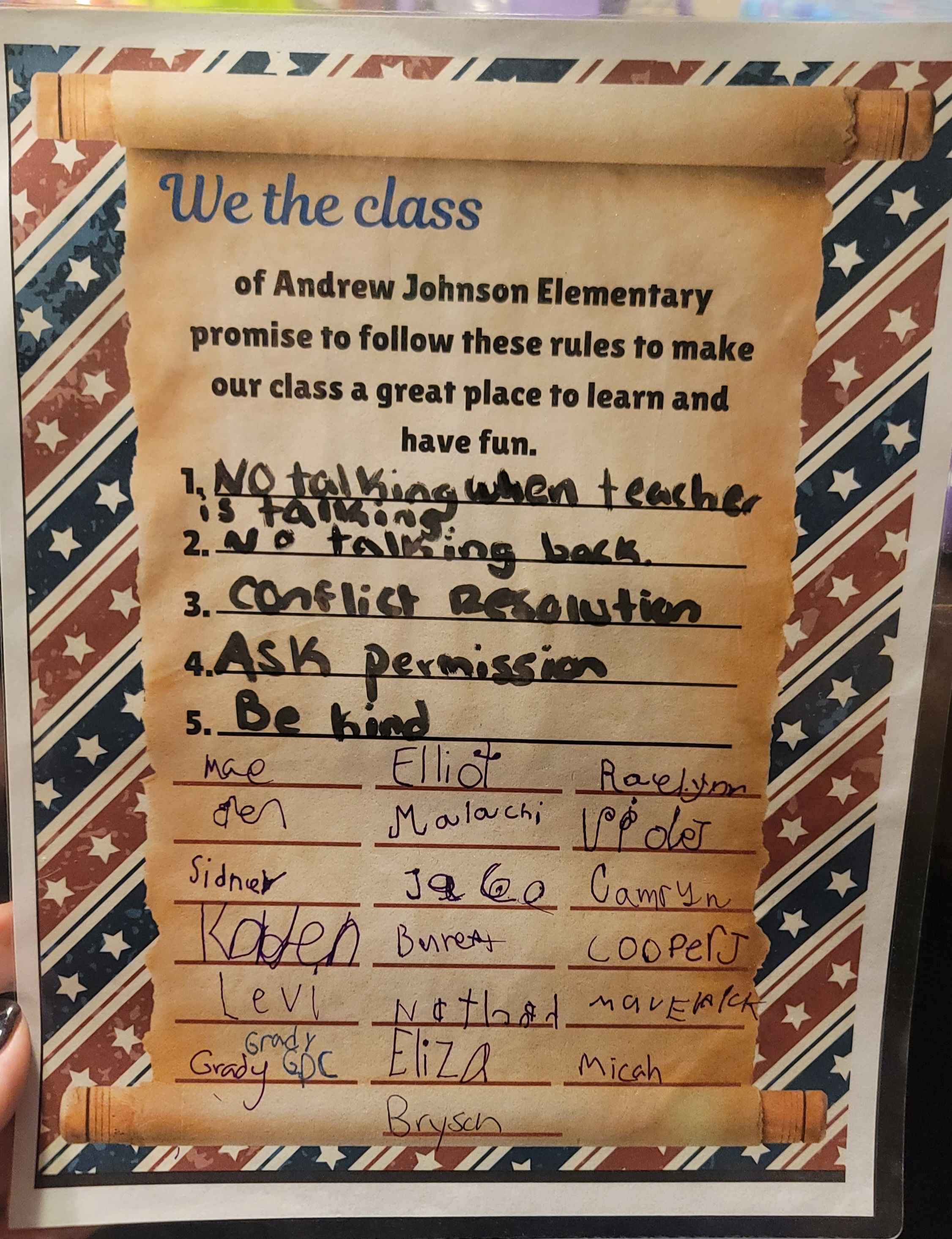
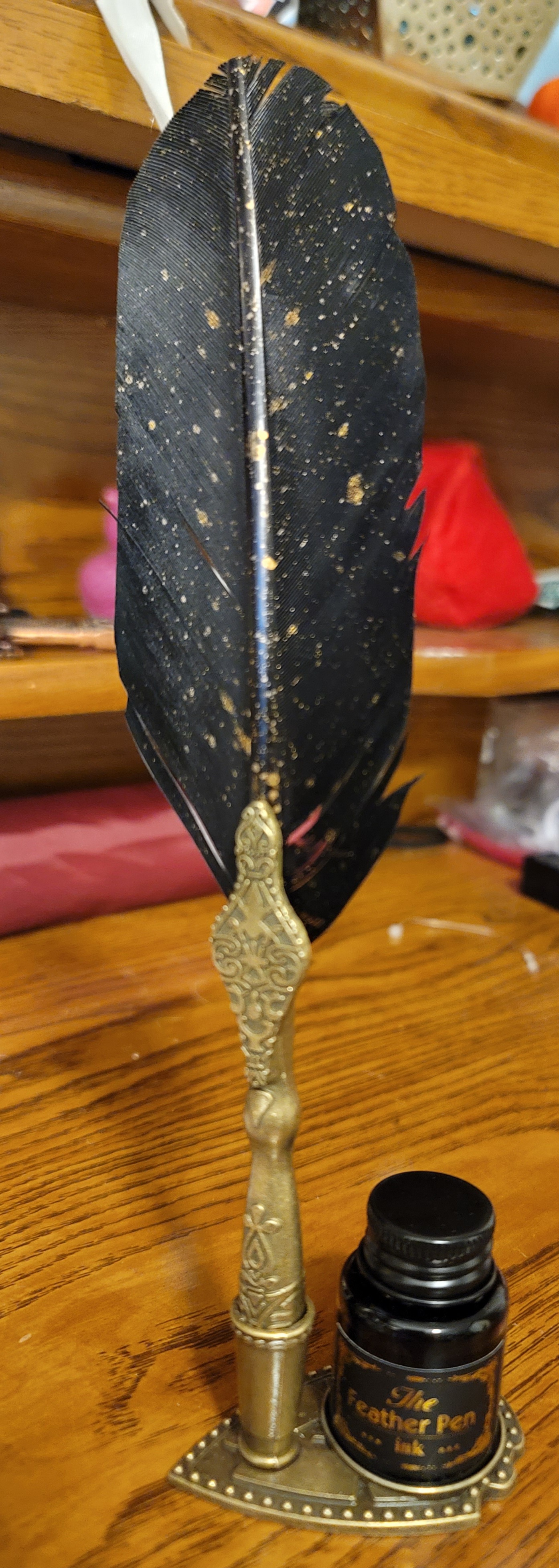
After students voted on their classroom rules, they participated in their own Constitutional Convention signing ceremony. A decorative quill and ink set was displayed to help students visualize how important historical documents were signed. While the quill itself remained a demonstration piece, students signed the Constitution using fountain pens purchased from Dollar General.
The fountain pens provided the excitement of signing a historic document while remaining manageable for young learners. Students were thrilled to use them and took great pride in adding their names to a document they had helped create.
Optional Extension: Meet George Washington
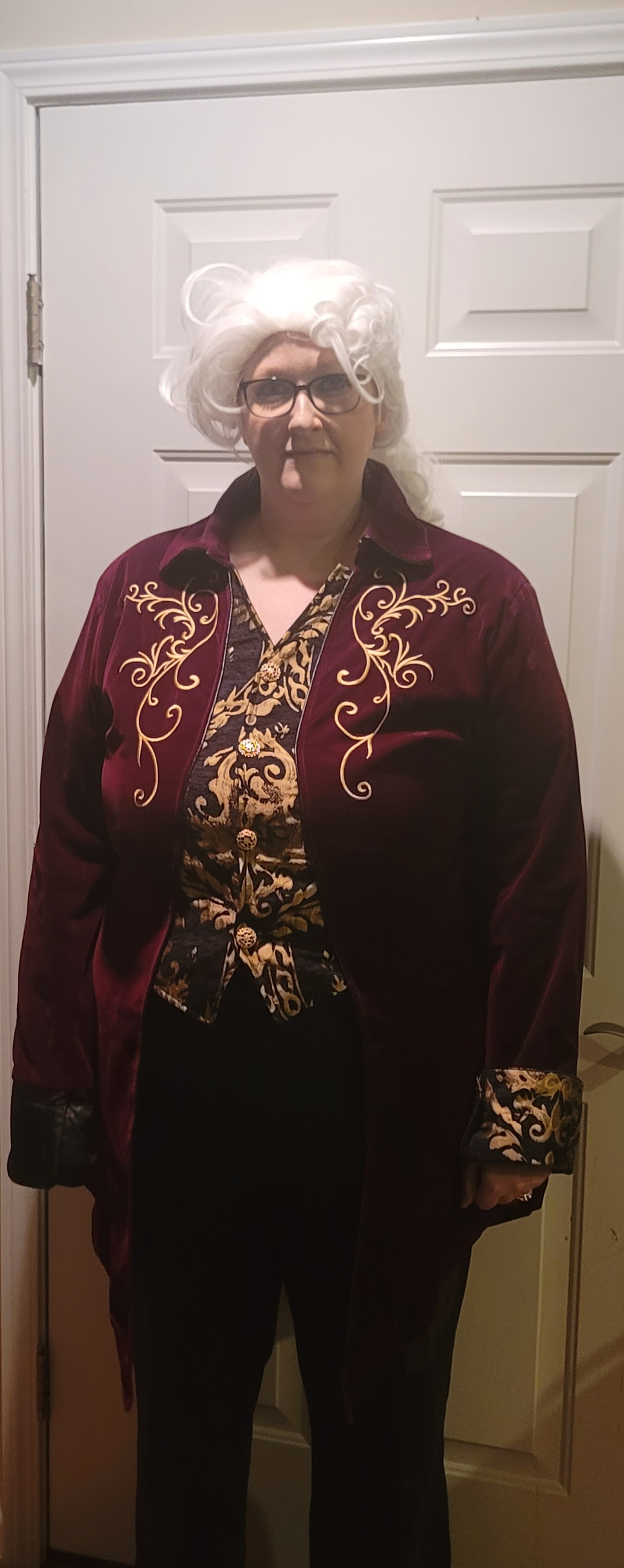
To make the experience even more memorable, I surprised students by dressing as George Washington before the signing ceremony. After a quick costume change behind a whiteboard, I emerged wearing a powdered wig and colonial-style coat to help bring the Constitutional Convention to life.
While completely optional, this simple addition created excitement, increased engagement, and helped students feel connected to the historical figures they had been studying.
Downloads
Why This Lesson Works
The Constitution can feel like a distant historical document to young learners. By shifting the focus from memorizing facts to solving a classroom problem, students experience firsthand why rules exist and how communities make decisions together.
Instead of being told what the Constitution does, students become participants in a democratic process. They propose ideas, discuss fairness, vote, compromise, and ultimately sign an agreement they helped create. This transforms the Constitution from a historical artifact into something meaningful and personal.
Final Reflection
One of my favorite aspects of this lesson is that students leave with a deeper understanding that their voices matter. Every student has an opportunity to contribute ideas, participate in voting, and help shape the classroom community.
The signing ceremony becomes more than a fun activity; it symbolizes ownership. Students aren’t simply following rules created by an adult. They are agreeing to uphold rules they helped create themselves. By connecting the principles of the U.S. Constitution to students’ everyday experiences, this lesson helps young learners begin developing the civic understanding and responsibility that will serve them throughout their lives.