A mystery-filled habitat adventure where students become researchers, caretakers, and explorers as they investigate animals and the environments they call home.
🦝 KoonKoon: “This creature appears to be extremely dangerous.”
🐿️ ChipChip: “Based on what evidence?”
🦝 KoonKoon: “It’s acting kinda sus.”
🐿️ ChipChip: “It’s an axolotl.”
🦝 KoonKoon: “That’s exactly what a sus axolotl would want us to think.”
Teacher Quick View
Grade Level: 2nd Grade
Subject: Science
Time Required: 1–2 Class Periods
Skills Developed:
- Habitat Identification
- Animal Adaptations
- Research Skills
- Observation
- Critical Thinking
- Collaboration
- Scientific Reasoning
Lesson Overview
Inspired by the mystery and adventure of Gravity Falls, this lesson transforms students into wildlife researchers responsible for identifying and caring for a collection of unusual animals. Students investigate habitat clues, examine animal characteristics, and determine which environment best meets the needs of each creature.
By combining hands-on exploration with scientific thinking, students learn that every animal depends on specific habitat conditions for survival.
Materials Needed
- Animal figures, stuffed animals, or animal cards
- Habitat posters (Download below)
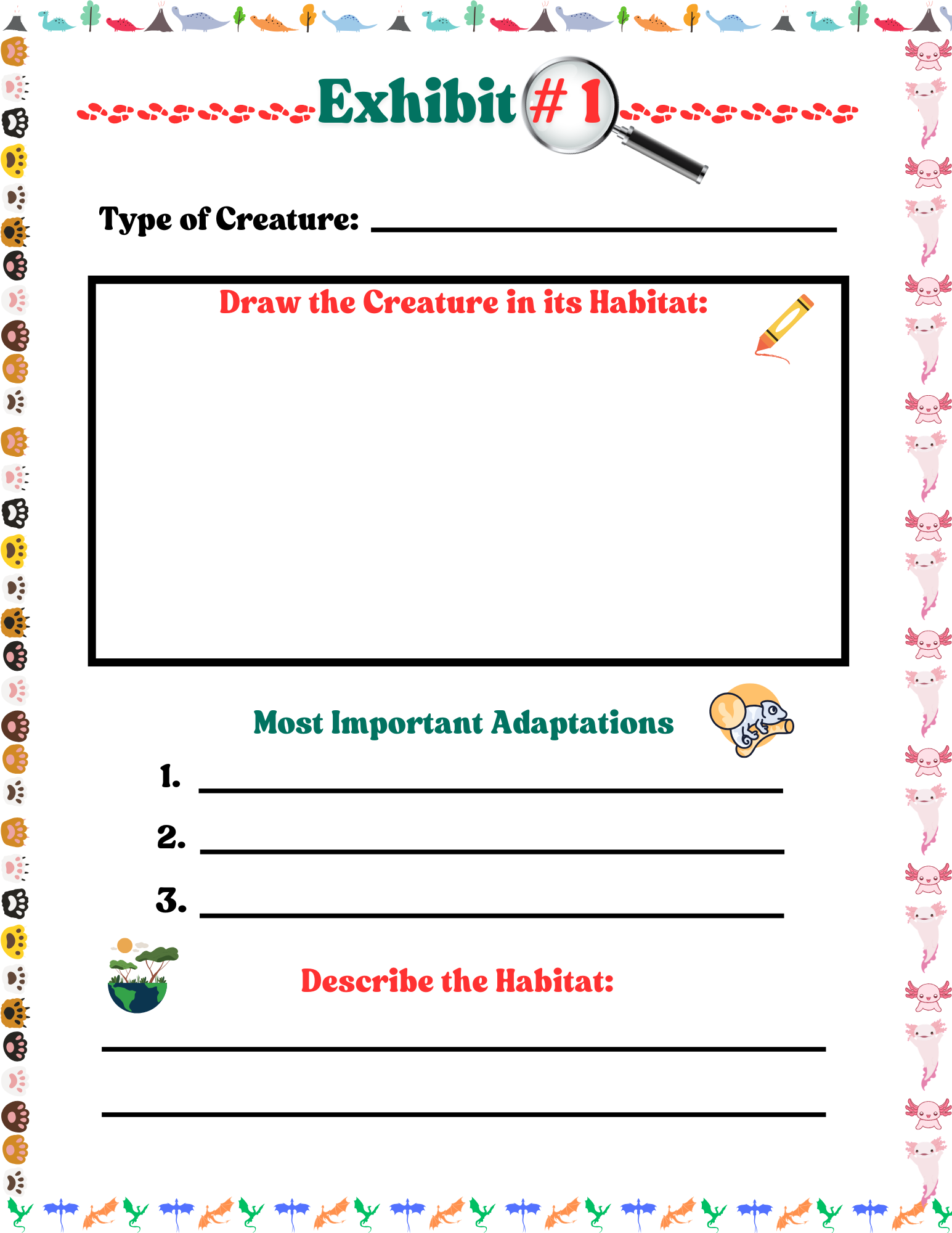
- Student journals or recording sheets (Download below)
- Animal stickers or markers
- Animal enclosures (optional)
- Presentation slides (Download below)
Optional Enhancements
- 3D printed animals
- Dollar Tree cooling-rack animal enclosures
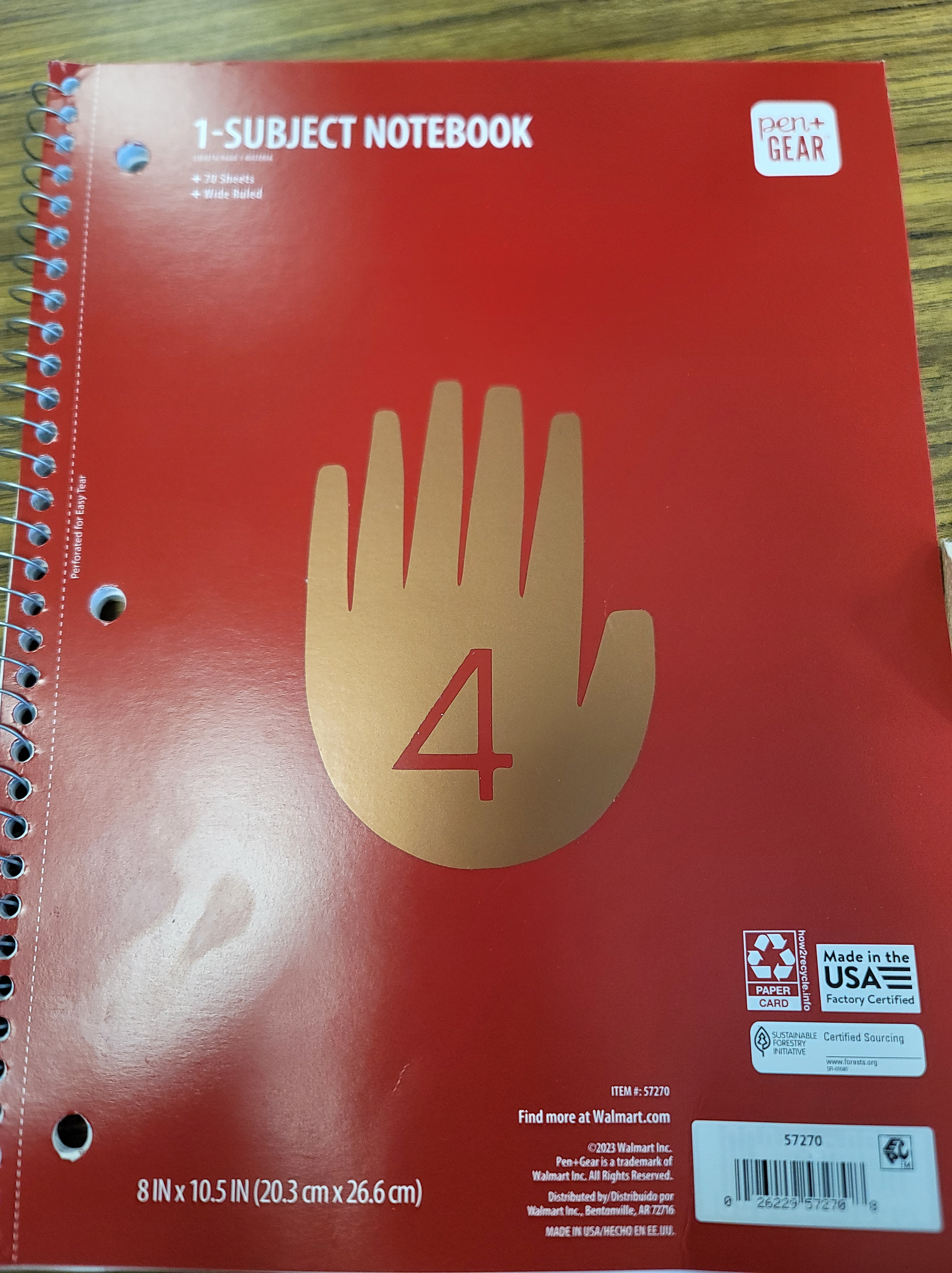
- Journal 4 notebooks
- Cricut Journal 4 logo file (Download below)
Lesson Snapshot
Introduction / Hook
Students are introduced to a collection of mysterious animals that need help finding appropriate habitats. Through a Gravity Falls-inspired scenario, students are challenged to become habitat experts and determine where each creature belongs.
Investigation
Students examine animal characteristics, habitat clues, and environmental conditions at the Gravity Falls Zoo. They record observations, discuss evidence, and work to match animals with the habitats that best support their survival.
Extension Activity
Students complete a Habitat Challenge by matching their animals to the correct habitat posters and explaining their reasoning using evidence from their investigation.
Reflection
Students explain their habitat choices using evidence gathered during the investigation. Class discussions encourage students to justify their reasoning and compare different solutions.
Downloads
Classroom Setup
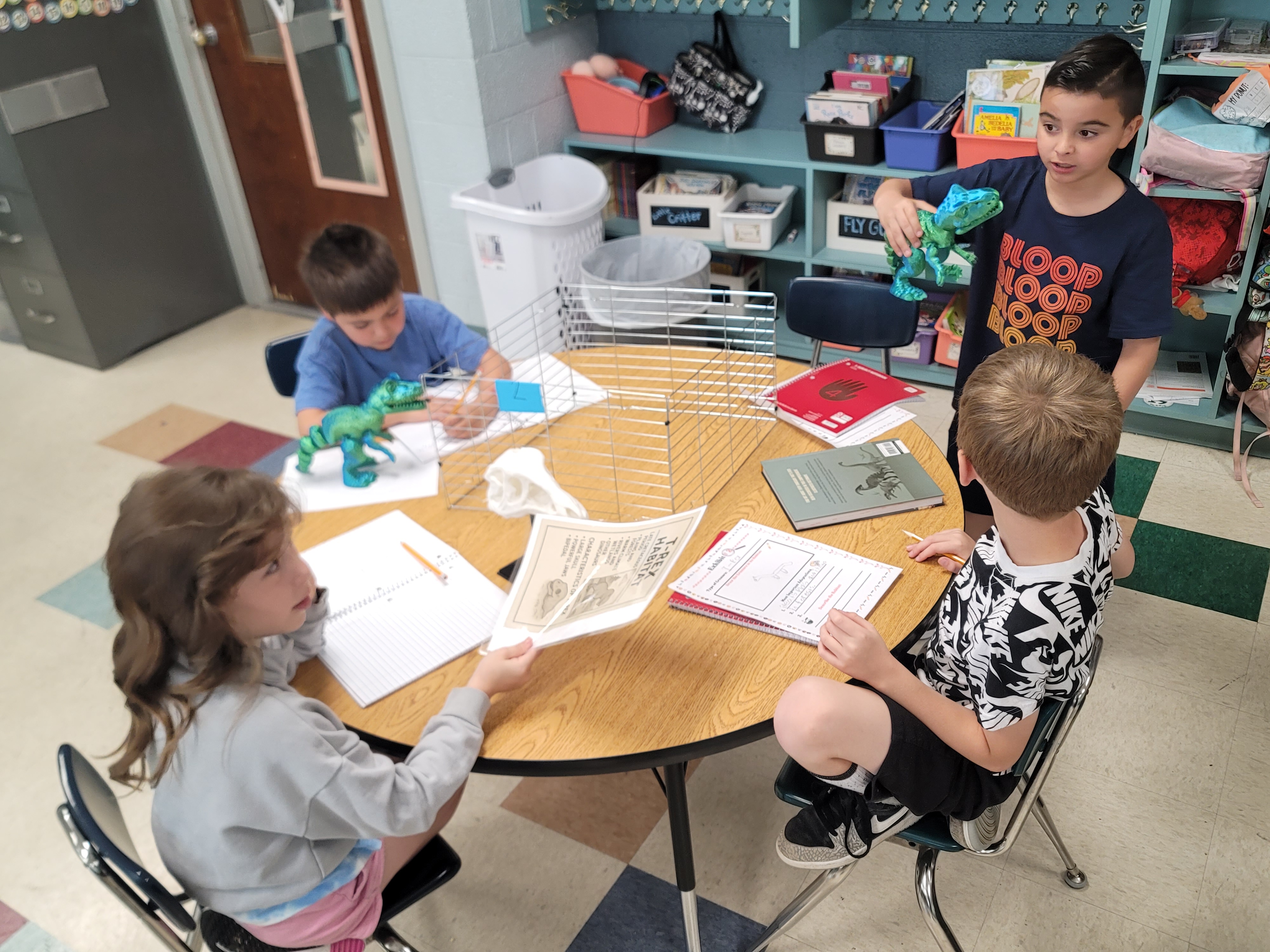
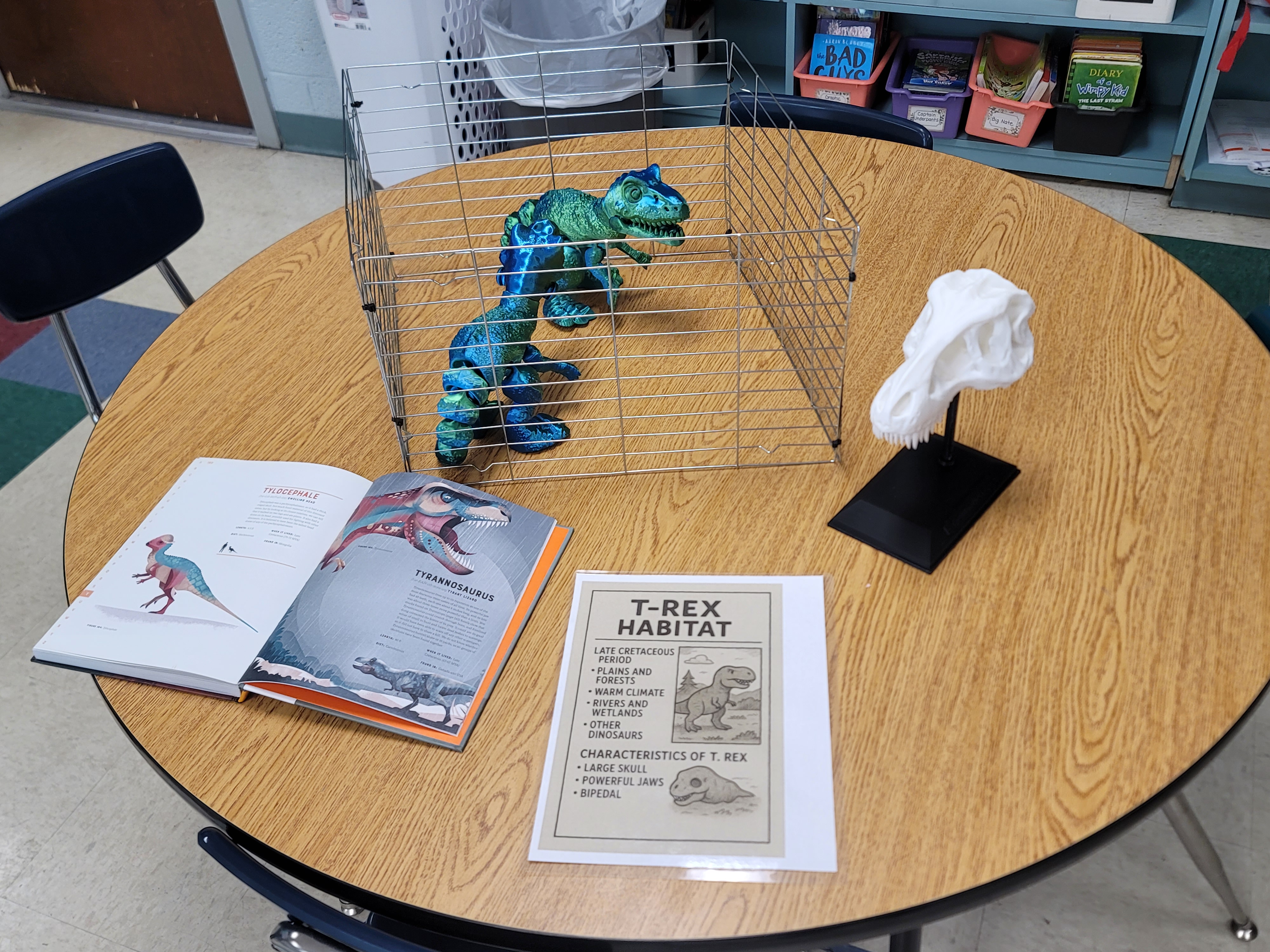
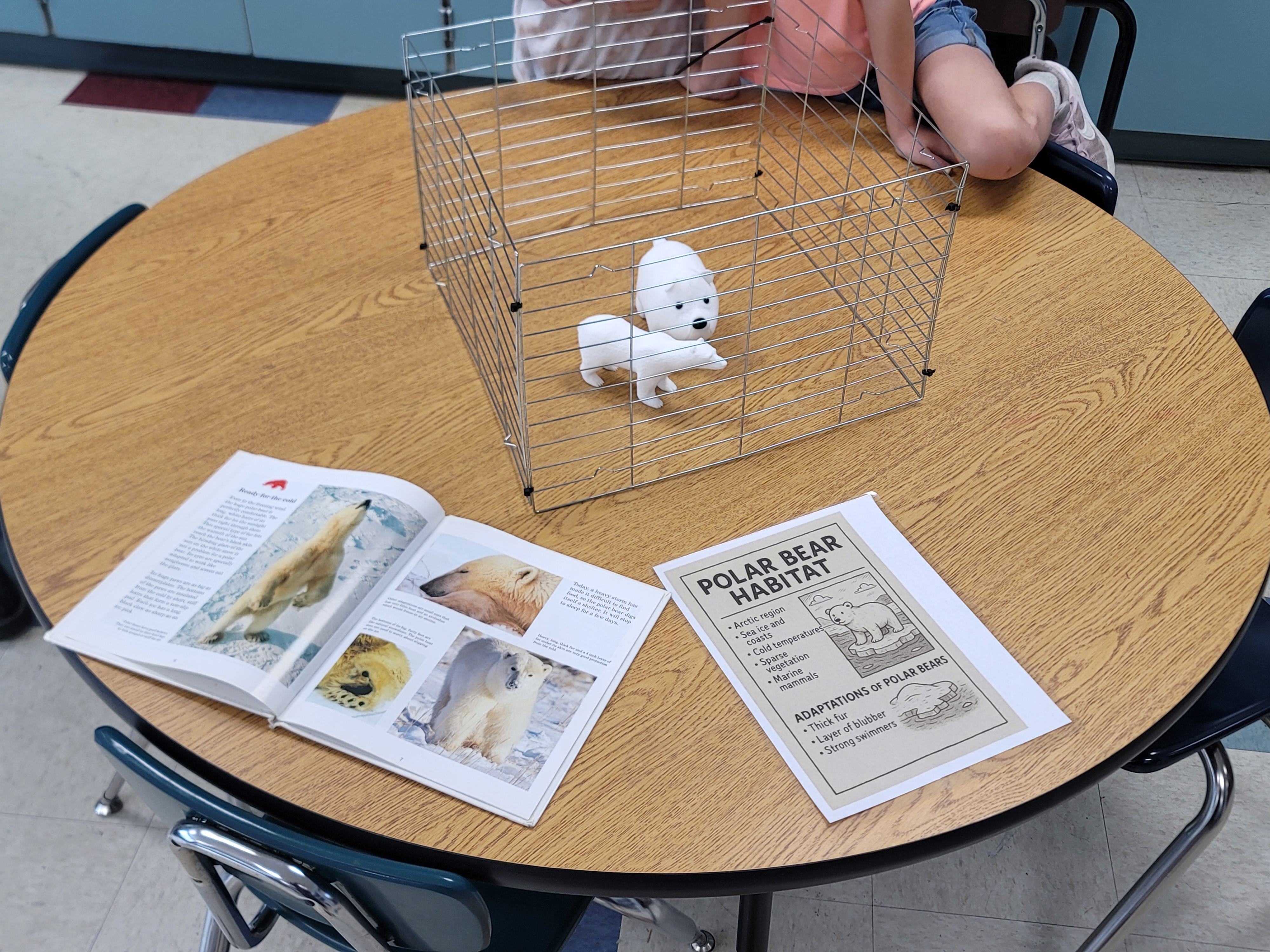
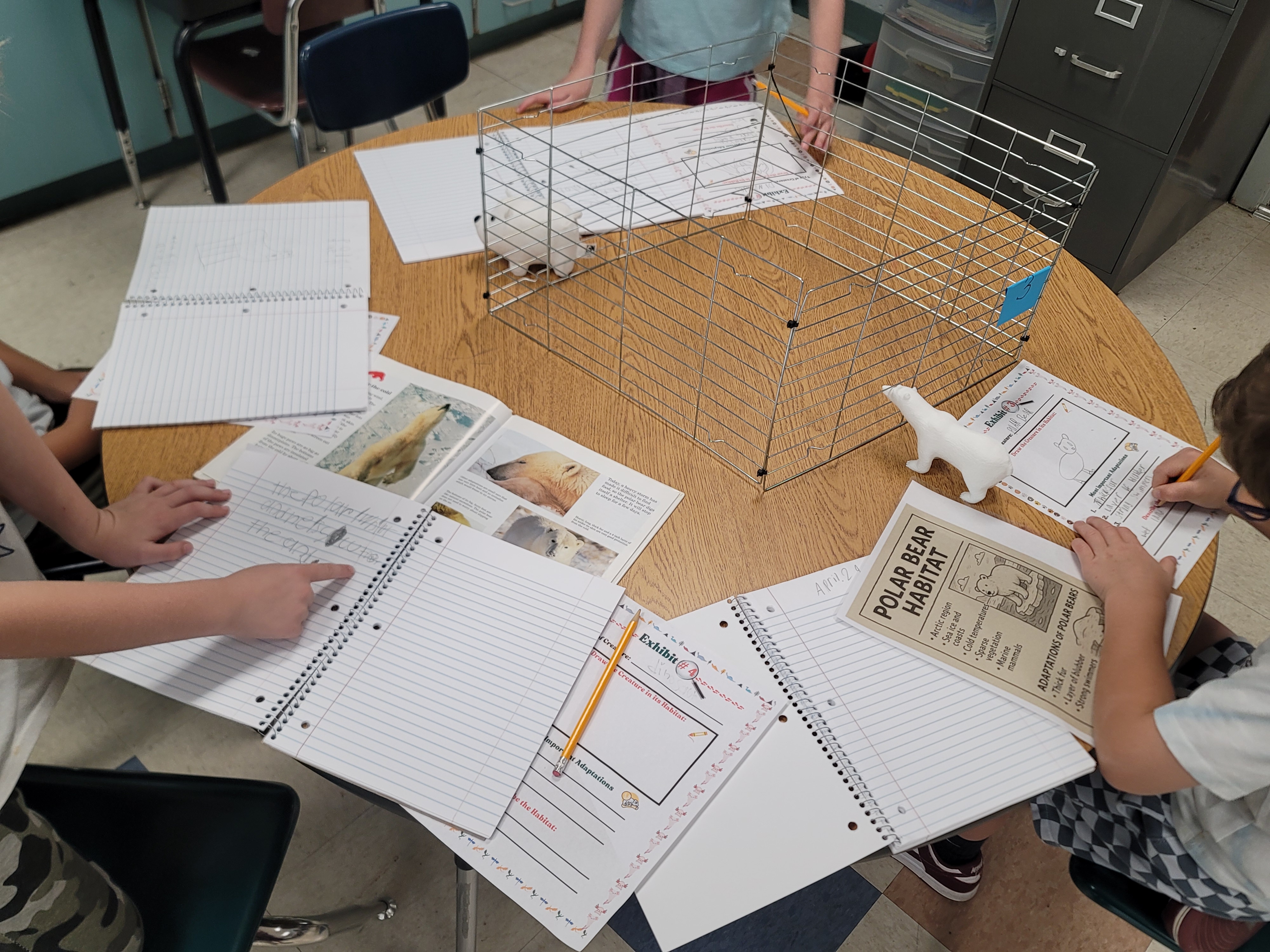
One of the most memorable parts of this lesson was the immersive classroom environment. Animal habitats were created using simple materials, including Dollar Tree cooling racks secured together with zip ties to form animal enclosures.
Photos of the classroom setup are included to help teachers recreate the experience or adapt it using materials they already have available.
Adaptations
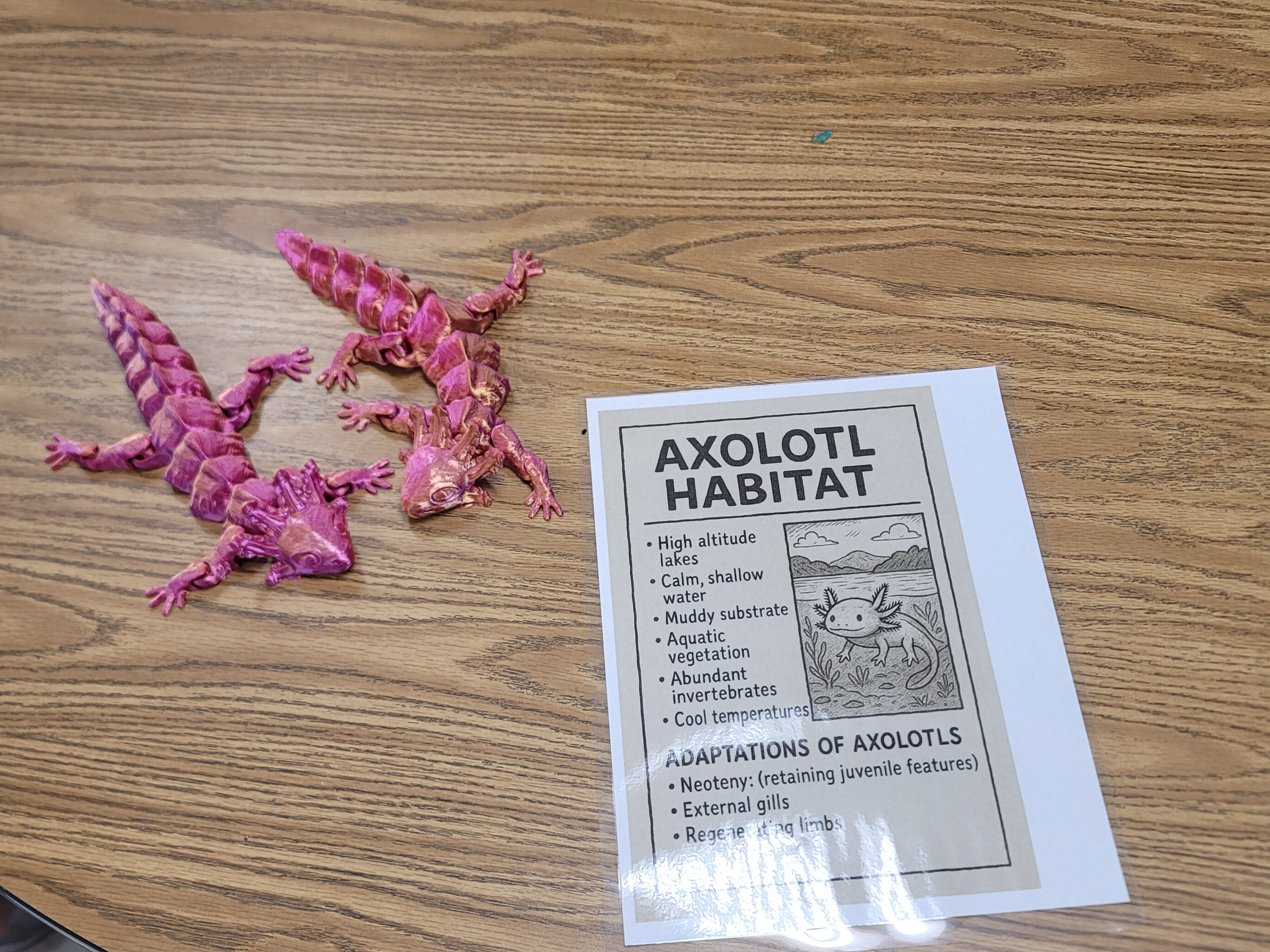
This lesson was originally taught using a combination of 3D printed animals and stuffed animals. However, the activity can easily be adapted using:
- Stuffed animals
- Plastic animal figures
- Printed animal cards
- Classroom manipulatives
- Pictures of animals
The goal is not the specific materials but the investigation process. Students should be able to observe characteristics, gather clues, and make evidence-based habitat decisions regardless of which animal representations are used.
Habitat Challenge Extension
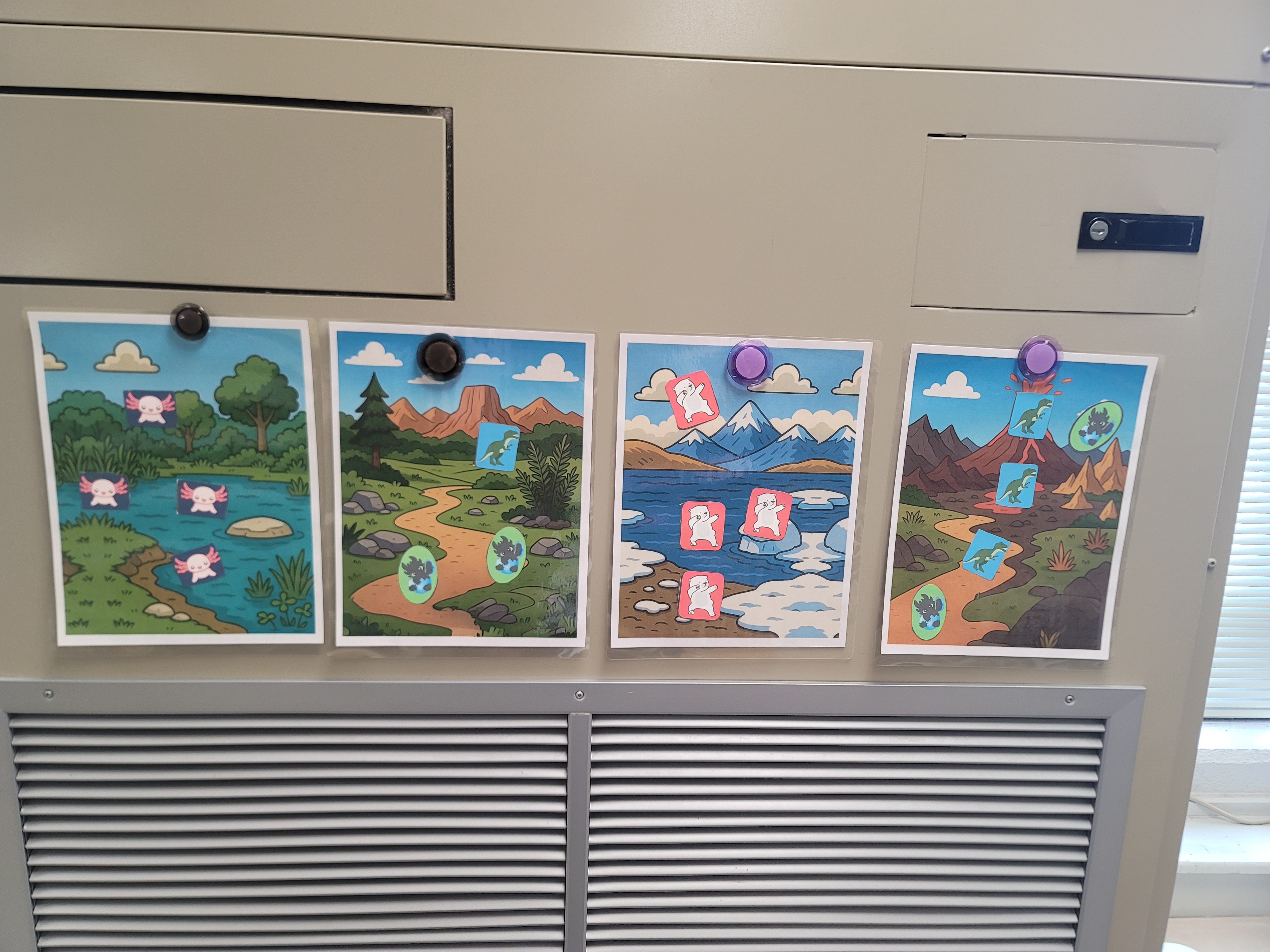
After identifying the correct habitats for their animals, students complete a habitat mapping challenge to demonstrate their understanding.
In my classroom, students placed animal stickers onto 8.5″ x 11″ habitat posters (download above) displayed around the room. This allowed students to physically match each animal to the environment that best met its needs while encouraging discussion and collaboration with their classmates.
For classrooms without animal stickers, students can achieve the same goal by writing the names of their animals directly onto the habitat posters with dry-erase markers, sticky notes, index cards, or other classroom materials.
This extension serves as a visual assessment of student understanding while giving learners an opportunity to explain and defend their habitat choices using evidence gathered during the investigation.
Why This Lesson Works
One of the goals of this lesson was to create opportunities for students to contribute their own knowledge and interests to the learning process. The animals and creatures used throughout the activity were intentionally selected to reflect the interests of students in the classroom. Some students were fascinated by cryptozoology and could eagerly share facts about creatures such as Bigfoot, while others had a particular interest in animals like axolotls.
By incorporating topics that students were genuinely excited about, the lesson created opportunities for them to become classroom experts and share their knowledge with their peers. For several students who struggled with confidence, attention, or other challenges, these moments of expertise became opportunities to shine. Rather than simply receiving information, students were able to contribute to the learning experience, increasing both engagement and confidence.
This approach reinforced an important belief of mine as an educator: when we connect learning to students’ interests and strengths, we create opportunities for every child to experience success.
Final Thoughts
Science is most powerful when students are given opportunities to wonder, investigate, and discover. By combining scientific inquiry with storytelling, mystery, and student interests, this lesson transforms habitat study into an engaging adventure.
Whether using 3D printed animals, stuffed animals, or simple picture cards, the heart of the lesson remains the same: helping students understand that every living thing depends on a habitat that meets its needs and that scientific thinking helps us understand the world around us.